Environmental Cues in Restaurant and Pub Dining
Physical Environment as Eating Context
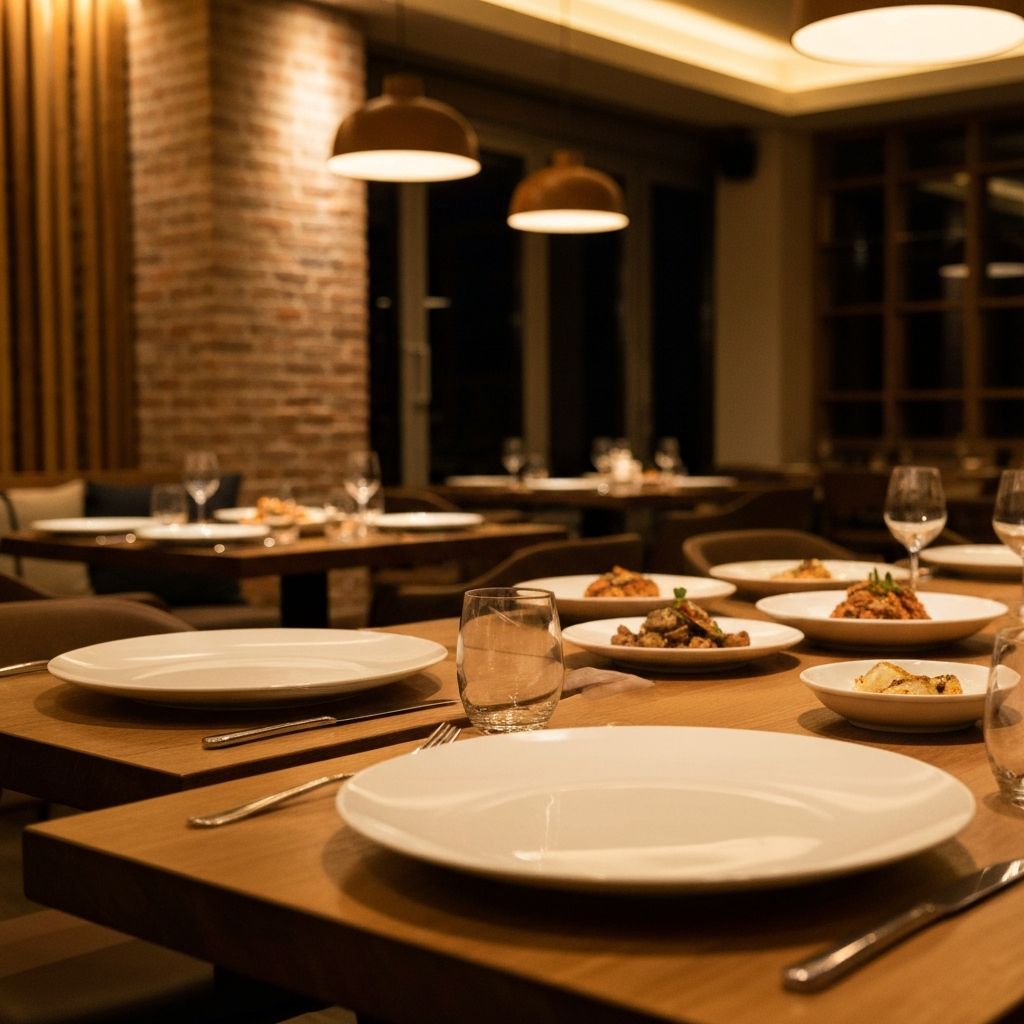
The physical environment of restaurants and pubs creates a context substantially different from home dining. These spaces contain numerous environmental cues that influence food choices, portion consumption, and eating pace. Understanding how restaurants shape eating requires examining specific environmental features that differ from typical home settings.
Restaurant environments are deliberately designed with features intended to enhance dining experiences. However, these design choices simultaneously influence eating patterns in ways that extend beyond conscious choices. Environmental influences operate largely outside awareness, representing a fundamental aspect of how context shapes eating.
Plate Size and Portion Presentation
Plate size represents one of the most researched environmental cues influencing food consumption. Larger plates visually accommodate larger portions while simultaneously creating perceptual contrasts that affect how much food appears to be consumed. The relationship between plate size and portion consumption appears robust across research studies and populations.
Portion presentation on plates influences perception of appropriate serving size. Visually prominent, artfully arranged food creates different eating patterns compared to less visually organised presentations. The visual appeal and arrangement of food on plates affects both portion selection and consumption quantity.
Visibility and Variety of Foods
The visibility of available food options influences consumption patterns. Restaurants with visible food displays, open kitchens, or presentations of multiple menu items create visual environments that differ substantially from home settings where available foods remain in cupboards and refrigerators. Simply seeing available food options increases the likelihood of consuming those foods.
Food variety in restaurant settings provides options that exceed what most homes typically contain. The simultaneous availability of multiple food types and flavours influences consumption patterns, with variety increasing total intake through reduced sensory satiation. This represents an environmental feature of restaurant dining that differs substantially from home meal contexts.
Ambient Atmosphere and Lighting
Restaurant ambiance including lighting, music, temperature, and noise levels influence the eating experience. Dimmer lighting creates different eating patterns compared to bright lighting. Slower music tends to be associated with longer meal duration and different consumption patterns. Temperature and comfort influence how long individuals remain at tables and continue eating.
These atmospheric features operate through multiple mechanisms including mood effects, pace of eating, and duration of social interaction. The cumulative effect of restaurant atmosphere creates a context that differs substantially from home dining, contributing to different eating patterns.
Service Style and Meal Pacing
How meals are served influences eating pace and pattern. Table service provides food according to restaurant timing rather than individual hunger signals. Buffet service provides continuous access to foods, creating different eating patterns than served meals. Self-service options place control over portions with individuals but within an environment of multiple visible options.
The timing and presentation of courses, beverages, and accompaniments creates a meal structure that differs from home eating. These service patterns influence how eating is distributed across time and which foods are consumed in which sequences.
Social Density and Privacy
The number of other diners present influences eating patterns through social facilitation and modelling mechanisms. Tables placed in close proximity to other diners create different social contexts than isolated seating. The visibility of others' meals and eating patterns influences consumption through observational learning.
Privacy levels in restaurant environments affect eating patterns, with more public seating creating different dynamics than semi-private or enclosed dining areas. These environmental variations in social density and privacy create contexts that shape eating in ways distinct from home dining.
Alcohol Availability and Presentation
The prominence of alcohol in restaurant settings differs from home environments. Visible alcohol displays, drink menus, and service routines that centre on alcohol consumption create environments where alcohol features more prominently than in typical home settings. The availability and presentation of alcoholic beverages influences whether and how much alcohol is consumed with meals.
Alcohol availability influences eating patterns through multiple mechanisms including appetite stimulation, disinhibition of eating, and social facilitation effects specific to alcohol-containing social meals. Restaurant environments where alcohol features prominently create different eating contexts than non-alcoholic dining settings.
Temporal and Contextual Cues
Restaurant environments provide temporal cues including meal timing, course sequences, and social rituals that differ from home dining. These temporal structures influence how eating is distributed across time and which foods are consumed. The restaurant context provides external structuring of meals that may differ from individual hunger-based eating patterns.
The specific context and occasion associated with restaurant dining influences expectations and eating patterns. Formal dining occasions create different eating contexts than casual dining, with different environmental cues and social dynamics shaping consumption patterns accordingly.
Back to Explorations